Goldbanks Deposit

Desert Gold's primary focus is the Goldbanks Deposit which is located approximately 35 miles south of Winnemucca in Pershing County, Nevada.

The Goldbanks Deposit has been delineated by a total of 1,176 drill holes, 1056 reverse circulation and 120 diamond drill holes. The gold resource occurs in two separate and distinct areas of low-grade mineralization known as the Main and KW Zones. The Main Zone is the larger of the two resource areas and is a concealed, high-level epithermal system whose dimensions are approximately 1000 x 5000 feet in plan. High-grade, banded, epithermal veins and vein-zones occur within the low-grade mineralization, many of which occur at the unconformity contact between Tertiary and pre-Tertiary basement rocks. The geologic setting at Goldbanks is similar to the Ivanhoe and Silver Cloud deposits, Nevada, and the McLaughlin deposit, California.
Desert Gold has also entered into an agreement in principal with Kinross Gold Corporation. This agreement establishes a framework whereby Desert Gold can acquire a 50% interest in the Goldbanks property from Kinross. To accomplish this benchmark, Desert Gold has to spend US$ 5 million on exploration and development on the property by 2009. Desert Gold has completed a detailed geological compilation and analysis of all previous drilling and has designed an exploration drilling program to evaluate the high-grade feeder vein potential of both the Main Zone and KW Zone resource areas. The exploration effort will attempt to expand the low-grade gold resource of each of the known resource areas in addition to testing the newly defined target areas on the property. A substantial amount of drilling will be focused at the Tertiary-pre-Tertiary basement unconformity zone where significant gold mineralization occurs.

Gold Resource
In early 2006, a NI 43-101 report was prepared on the Goldbanks project and included an updated resource calculation prepared by Mine Development Associates of Reno, Nevada. This report summarized all exploration, geochemical studies, drilling, metallurgy, and defines the gold resource delineated to date in both the Main and KW Zones on the Goldbanks Project. The current resource is compiled in the following table and can be summarized as an inferred oxide and sulfide resource of 556,700 ounces of gold with 90% occurring as oxide mineralization.


Gold Mineralization
The two styles of epithermal precious metal mineralization occurring on the Goldbanks property include: 1) low-grade, large-tonnage siliceous replacement-type (including quartz stockworks) and 2) high-grade, small-tonnage, structurally-controlled mineralization comprised of banded epithermal quartz veins and vein zone. The mineralization is the result of the same Tertiary (mid-Miocene) epithermal-hot spring hydrothermal event that deposited mercury mineralization at the surface and significant gold mineralization at depth.

Both styles of mineralization occur in the Main and KW Zones and are concealed by unmineralized Tertiary basalt flows, volcanoclastic and clastic rocks. For example, in the Main Zone, the bulk of the gold mineralization was deposited as siliceous replacements and quartz-vein stockworks occurring below a thick section of mudstone overlain by the basalt flows and sedimentary rocks.

This mineralization occurs in both Tertiary and pre-Tertiary basement rocks and typically exhibits a close spatial association with the pre-Tertiary unconformity and the extensively developed igneous dikes and sills occurring at or near this unconformity. Gold-bearing, siliceous, hydrothermal fluids deposited gold in large zones of intense faulting, fracturing, and brecciation that forms a northerly-trending body whose dimensions are ~2,500 x 5,000 feet. In contrast, the high-grade banded veins and vein-zones are thin (<1 to 10’s of feet), structurally-controlled epithermal veins that occur within this massive low-grade envelope of mineralization.

The gold grades in these high-grade banded veins range from ~0.5 up to ~8.0 oz Au/t and texturally, the veins are typical of those occurring in epithermal districts throughout the western United States. Some examples of grades and thicknesses of mineralized intercepts occurring in both the Main and KW Zone resource areas are given below.

Low-grade, bulk-tonnage style mineralization:
Hole KG-07
230’ @ 0.014 oz Au/t
Main Zone
Hole G-327A
220’ @ 0.024 oz Au/t
Main Zone
Hole KG-05
160’ @ 0.030 oz Au/t
Main Zone
Hole G-334
90’ @ 0.045 oz Au/t
Main Zone
Hole KW-13
110’ @ 0.045 oz Au/t
KW Zone
Hole KW-22
170’ @ 0.050 oz Au/t
KW Zone

High-grade vein-type mineralization:
Hole G-176
20’ @ 0.350 oz Au/t
Main Zone
Hole KDV-2
8’ @ 0.577 oz Au/t
Main Zone
Hole KDV-16 10’ @ 0.717 oz Au/t Main Zone
Hole NGB-9 5.5’ @ 1.07 oz Au/t Main Zone
Hole KDV-16 15’ @ 1.508 oz Au/t Main Zone
Hole KW-52 10’ @ 3.548 oz Au/t KW Zone
Hole SB-23 10’ @ 8.24 oz Au/t Main Zone


Examples of Epithermal-Type Gold Deposits (>1 M oz) With Similar Characteristics as the Goldbanks Deposit

Midas District (Ken Snyder Mine), Elko County, Nevada: Epithermal quartz vein system hosted by Tertiary volcanic rocks. Banded quartz veins and high gold grades are common as are bonanza-type ore. Pre-mining reserve of >3 M oz Au and 35 M oz Ag; currently in production and continued exploration.

Ivanhoe District, Elko County, Nevada: High-level epithermal vein system developed beneath a hot-spring type opalite mercury system similar to both Goldbanks and McLaughlin. The geologic setting is very similar to Goldbanks and most of the mineralization occurs at and below the Tertiary-pre-Tertiary unconformity with the underlying Ordovician sedimentary basement rocks. Development and continued exploration are currently underway.

Sleeper Deposit, Humboldt County, Nevada: Gold mineralization is hosted by Tertiary volcanics, subvolcanic intrusions and pre-Tertiary sedimentary rocks. Contains spectacular bonanza-type ores hosted by classic, epithermal banded veins. A large envelope of low-grade siliceous and quartz stockwork ore surrounds the high-grade bonanza veins similar to that at Goldbanks. Production is approximately 1.7 M oz Au; currently in a stage of renewed exploration.

McLaughlin Deposit, Napa County, California: High-level epithermal gold system that was initially mined as a hot spring type mercury deposit analogous to Goldbanks. High-gold grades were typical of the deposit along with lower grade ores. Quartz veins contain particulate gold in the banded vein and stockwork type mineralization. Production ~3 M oz Au; mined out?


Project Maps and Documents

Click on the thumbnails below to enlarge:
North Squaw Butte Drill Section South Squaw Butte Drill Section Geology Plan with Cross Section Locations
Goldbanks Project Compilation Goldbanks Project Location


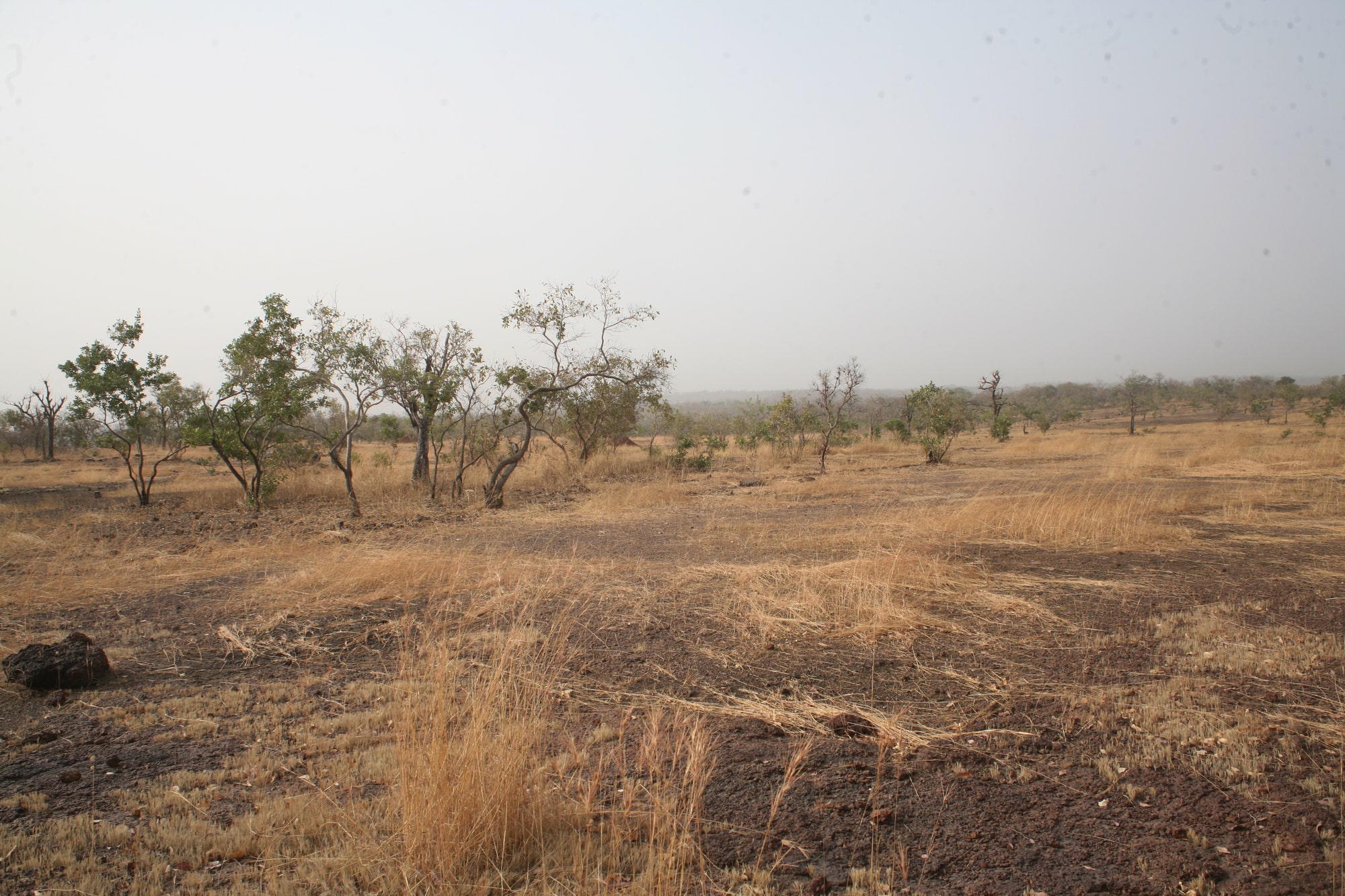
Above: An aerial view of the Goldbanks property in Nevada.
Suite 800
1199 West Hastings Street
Vancouver, British Columbia
Canada V6E 3T5
Phone: 604 687-2038
SUBSCRIBE FOR EMAIL UPDATES:


HOME | CORPORATE INFO | PROJECTS | INVESTOR INFO | NEWS RELEASES | CONTACT

Copyright © 2008-2009 Desert Gold Ventures, Inc. All Rights Reserved. DESERT GOLD VENTURES and the DG logo are trademarks and service marks owned by Desert Gold Ventures, Inc. All other trademarks are the property of their respective owners. Site design and maintenance by Design Strategies, Inc.