Senegal

Country summary
General information
The Republic of Senegal is a country south of the Sénégal River in western Africa. Senegal is bounded by the Atlantic Ocean to the west, Mauritania to the north, Mali to the east, and Guinea and Guinea-Bissau to the south. The Gambia lies almost entirely within Senegal, surrounded on the north, east and south from its western coast. Dakar is the capital city of Senegal, located on the Cape Verde Peninsula on the country's Atlantic coast
Government organisation
Various European powers – Portugal, the Netherlands, and Great Britain – competed for trade in the area from the 15th century onwards, until 1677, when France ended up in possession of what had become an important slave trade departure point. In January 1959, Senegal and the French Sudan merged to form the Mali Federation. Senegal became fully independent on 20 June 1960
In the presidential election of 2000, Senegal experienced its second peaceful transition of power, and the first from one political party to another
Senegal is a republic with a powerful presidency; the president is elected every seven years, amended in 2001 to every five years, by universal adult suffrage. The current president is Abdoulaye Wade, who was re-elected in March 2007.
Senegal has more than 80 political parties. The bicameral parliament consists of the National Assembly, which has 120 seats, and the Senate, which has 100 seats and was re-instituted in 2007. An independent judiciary also exists in Senegal. The nation's highest courts that deal with business issues are the constitutional council and the court of justice, members of which are named by the President.
Mining industry
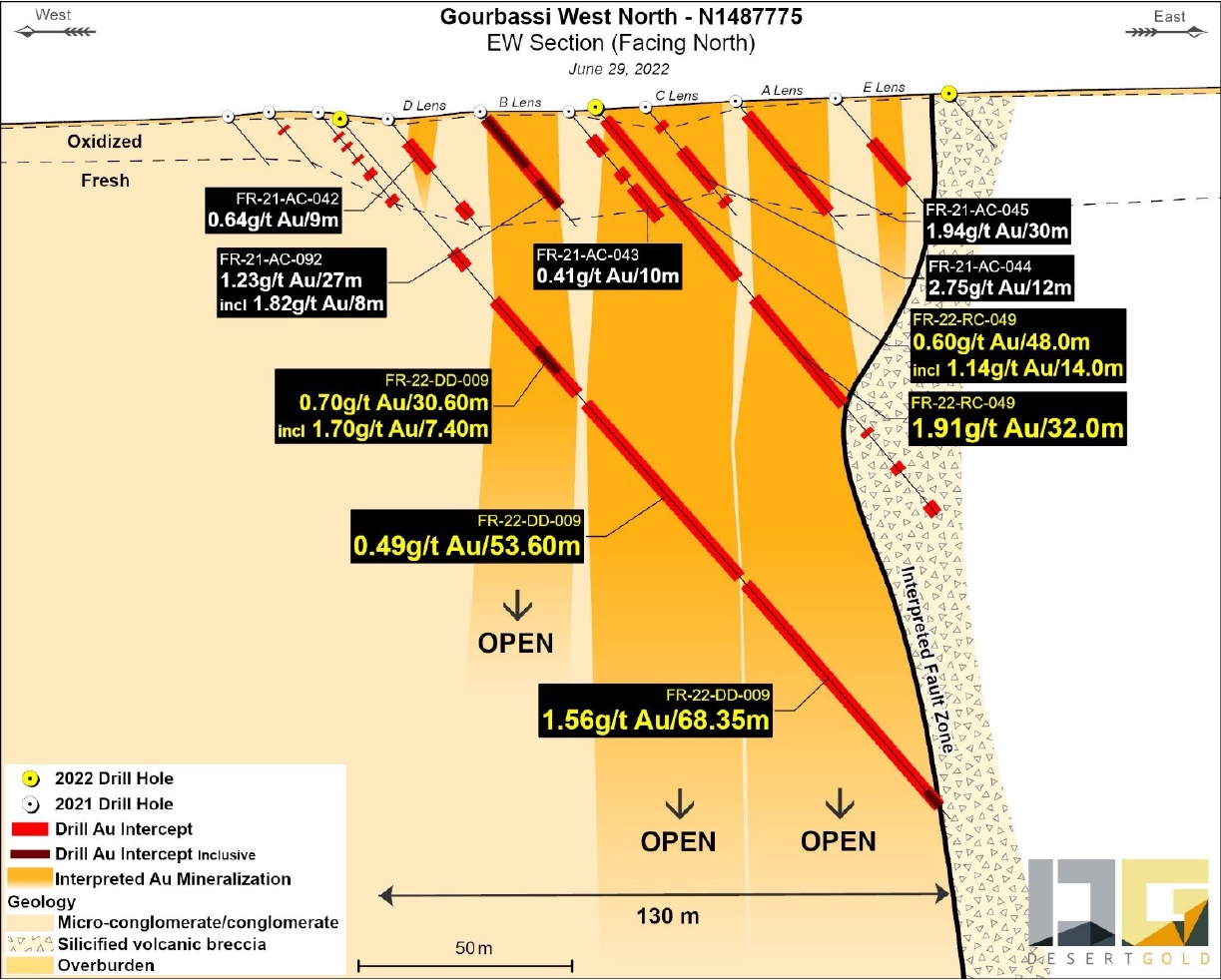
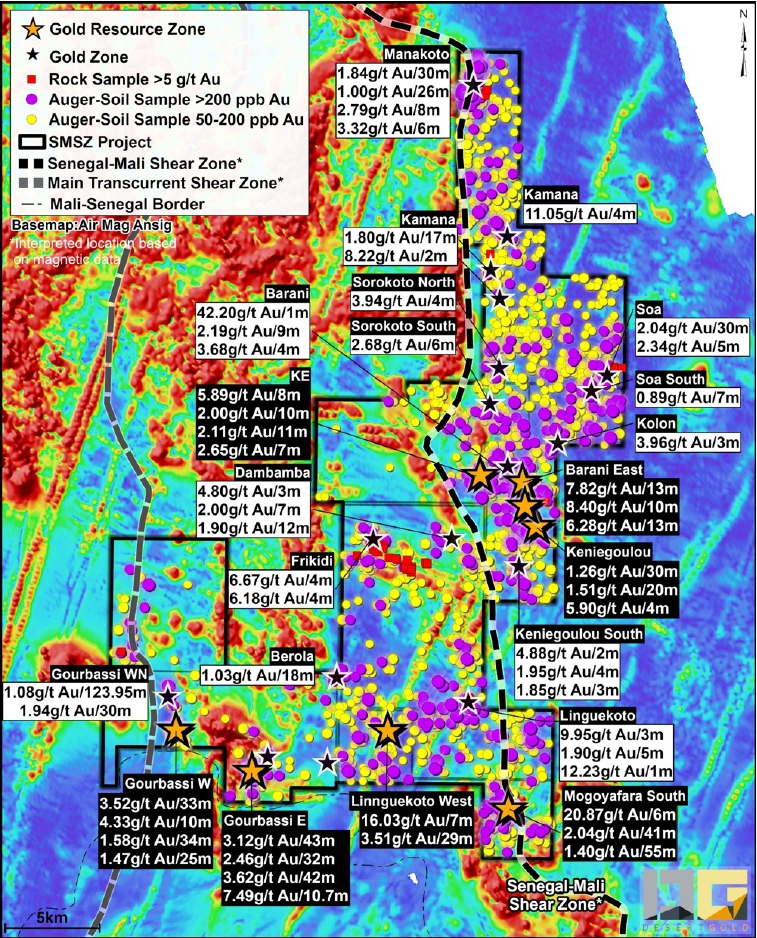
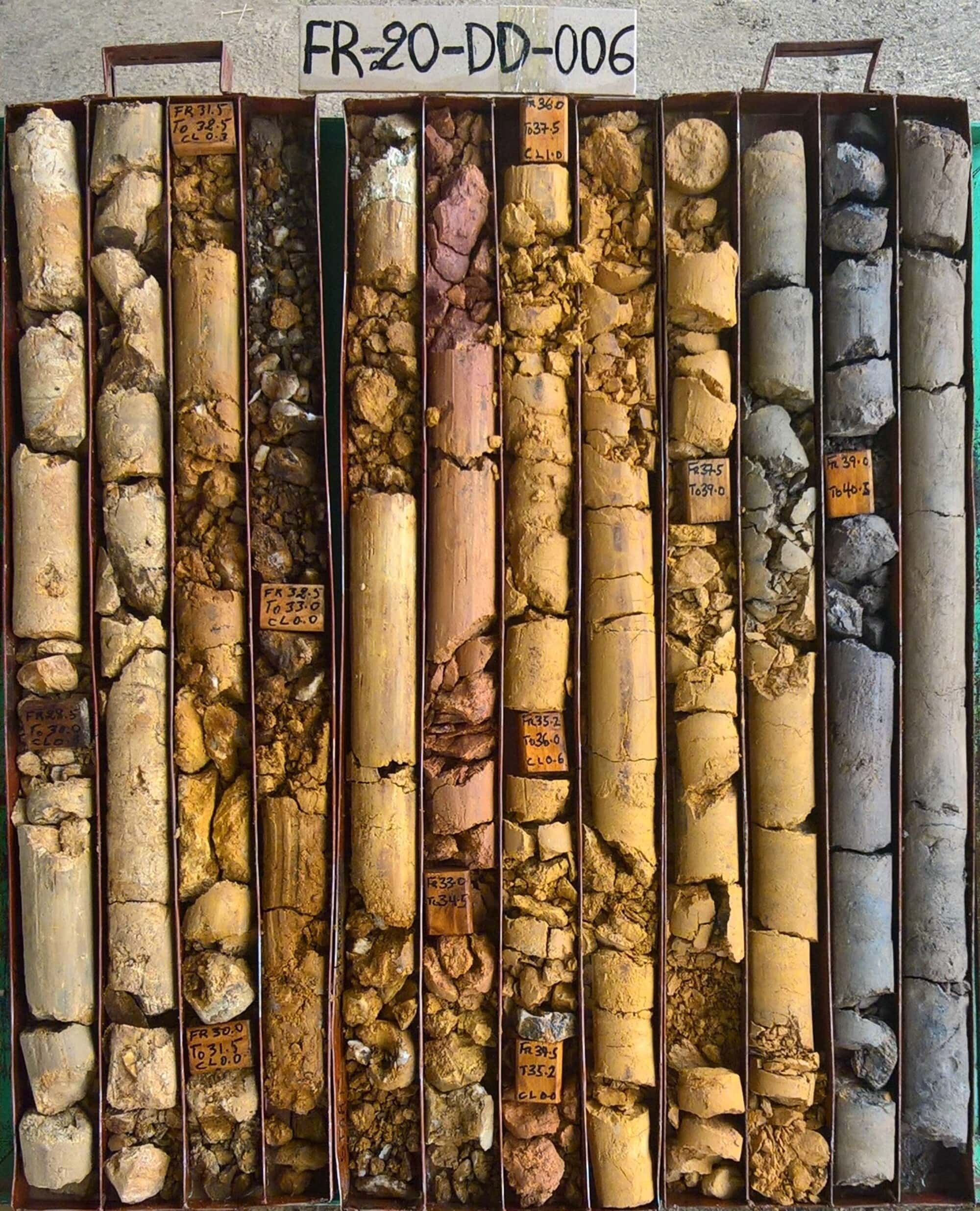
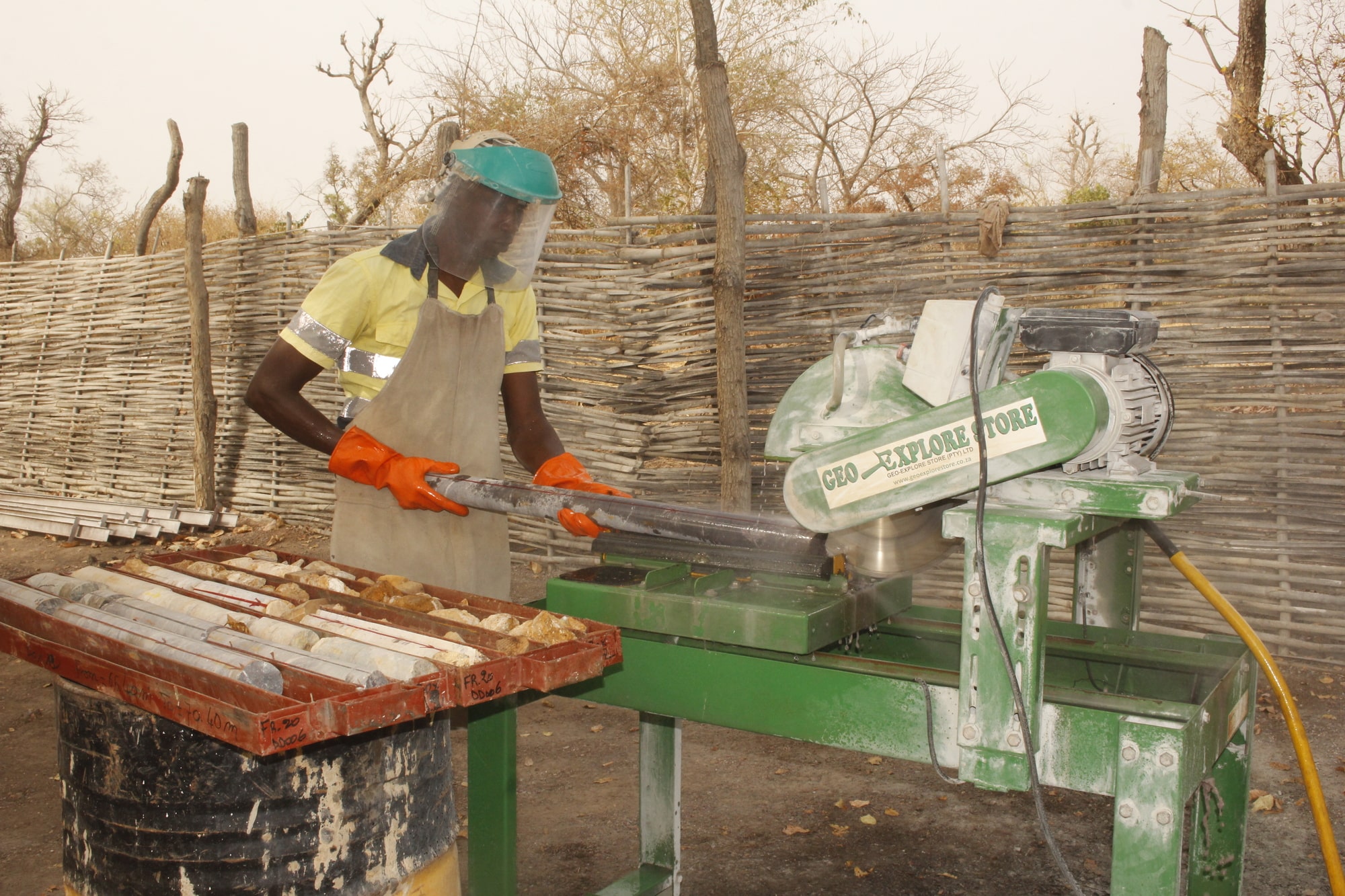
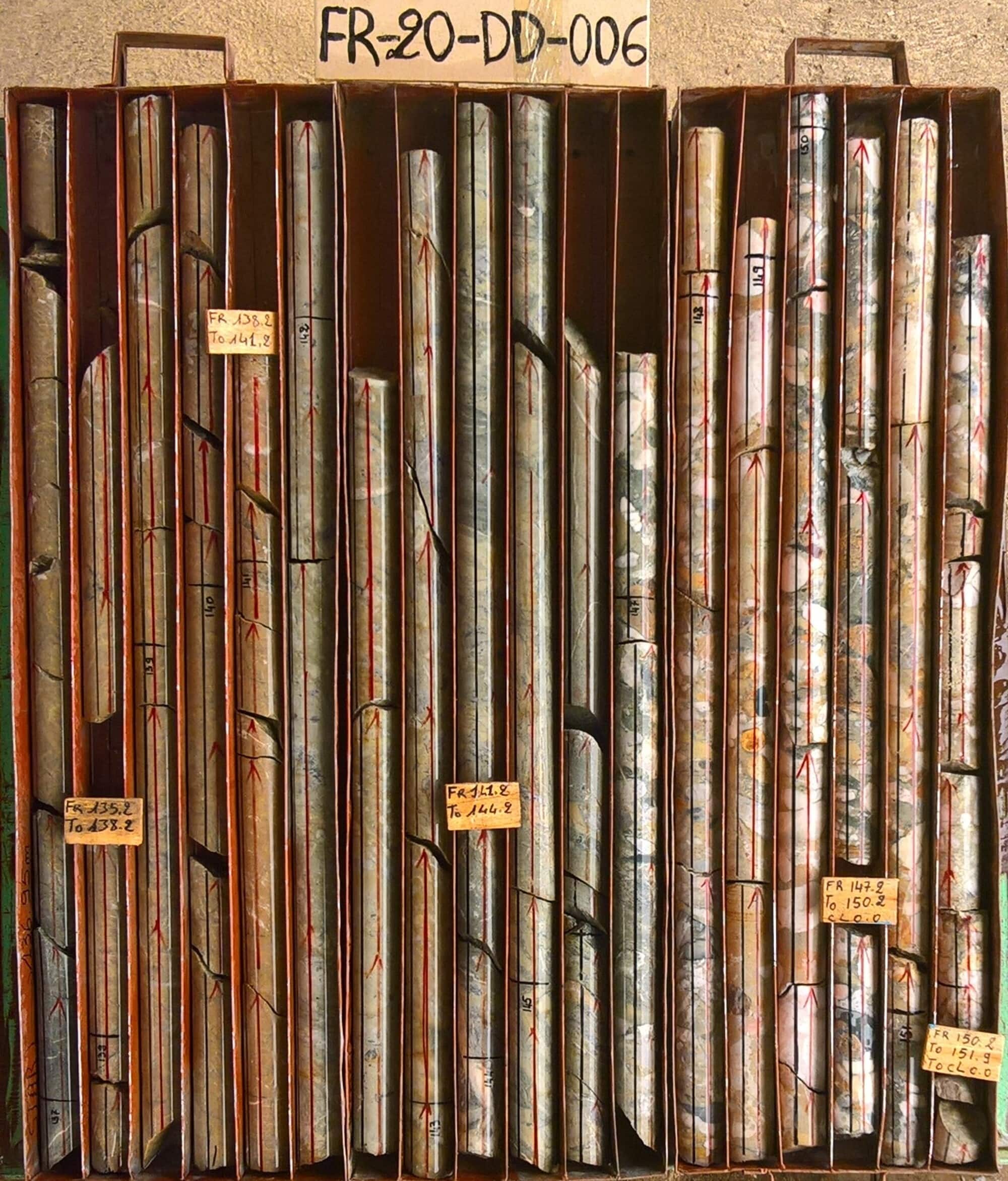
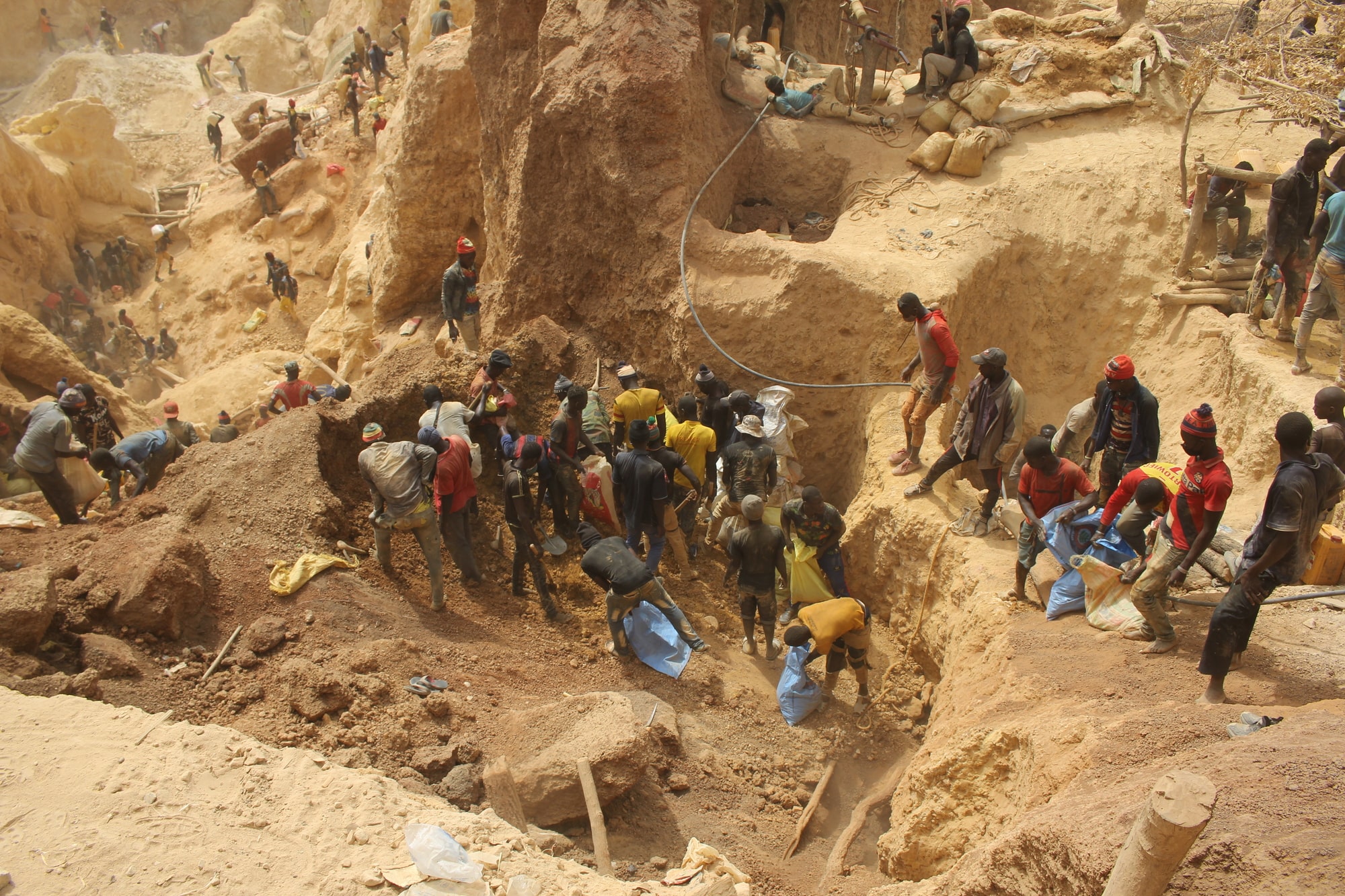
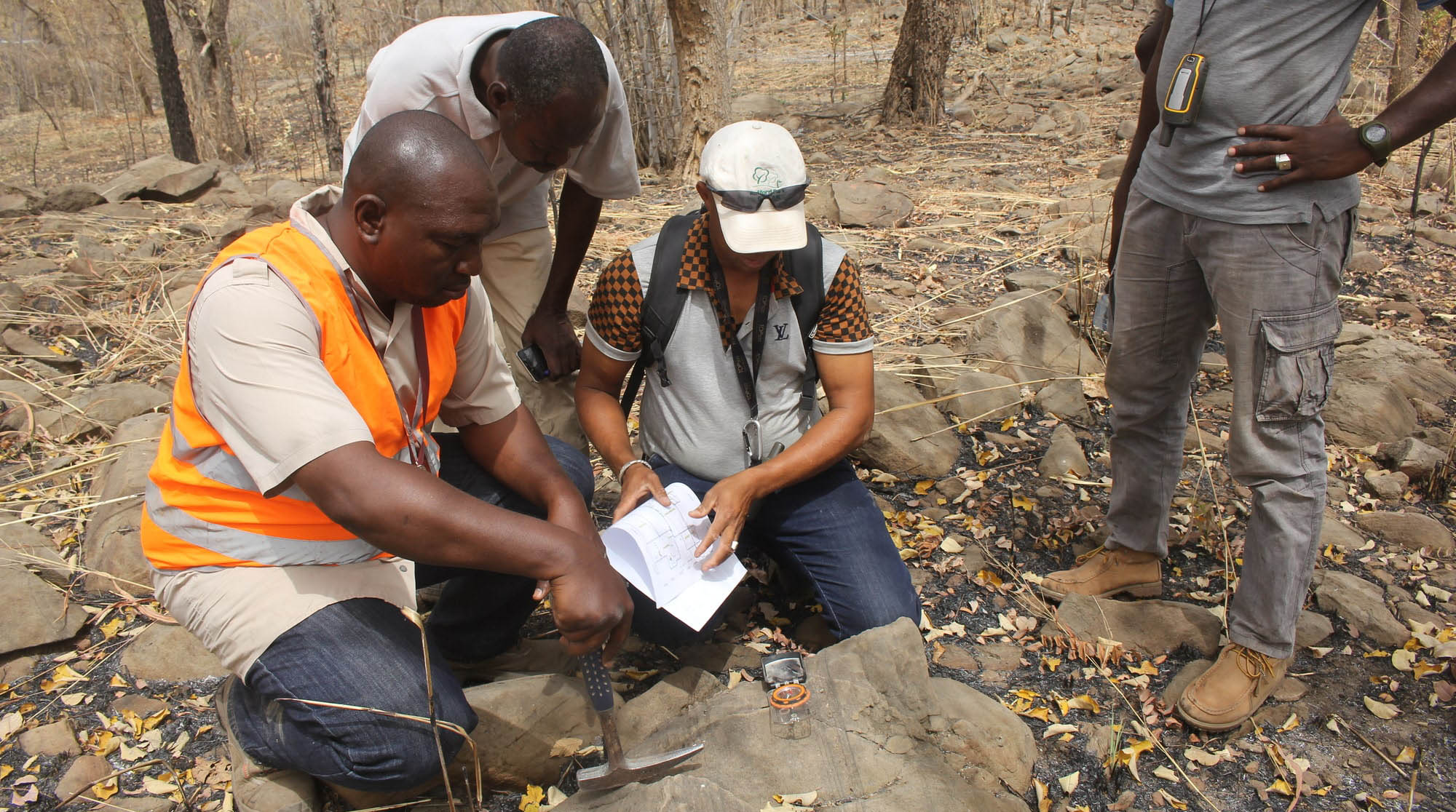
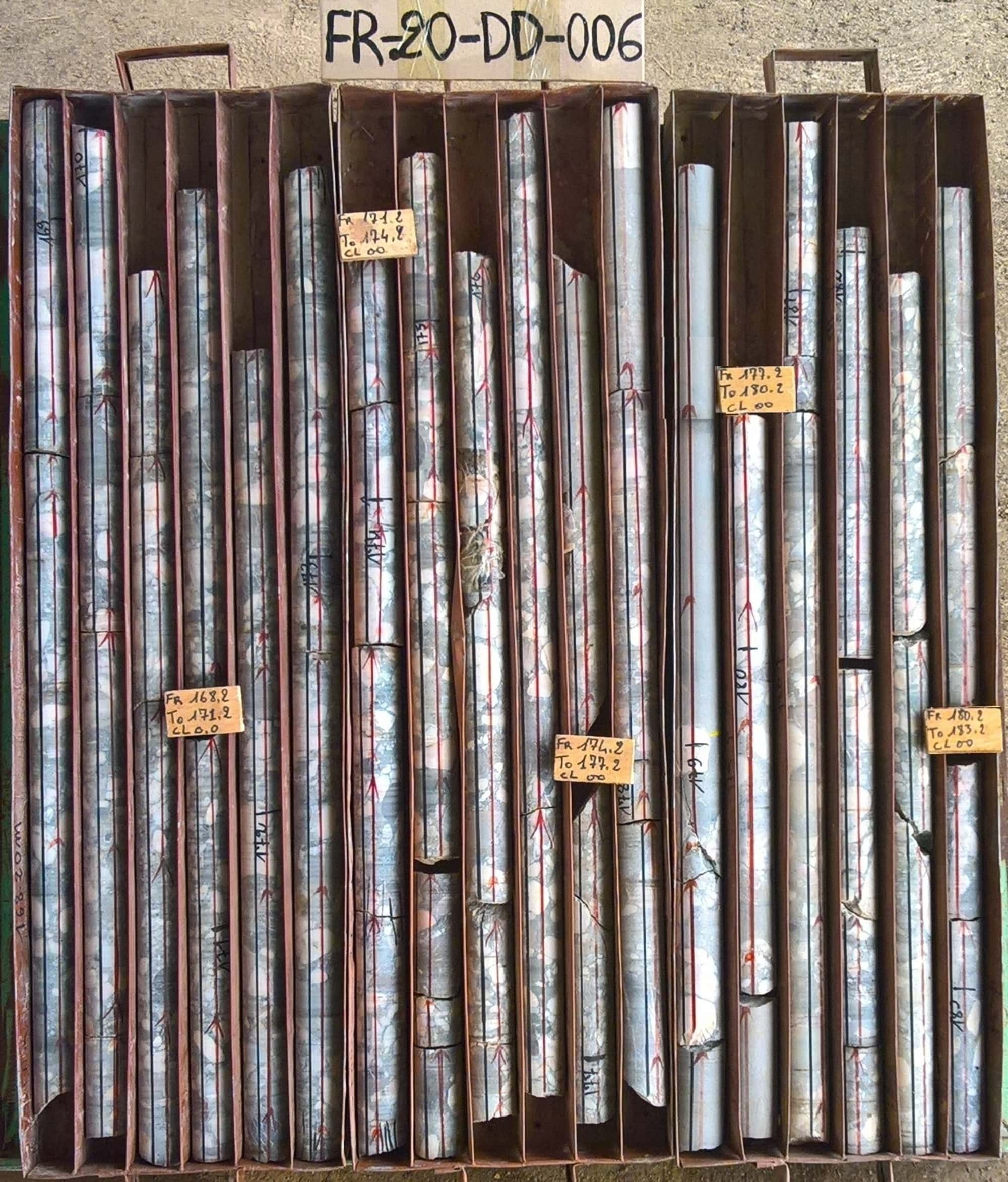
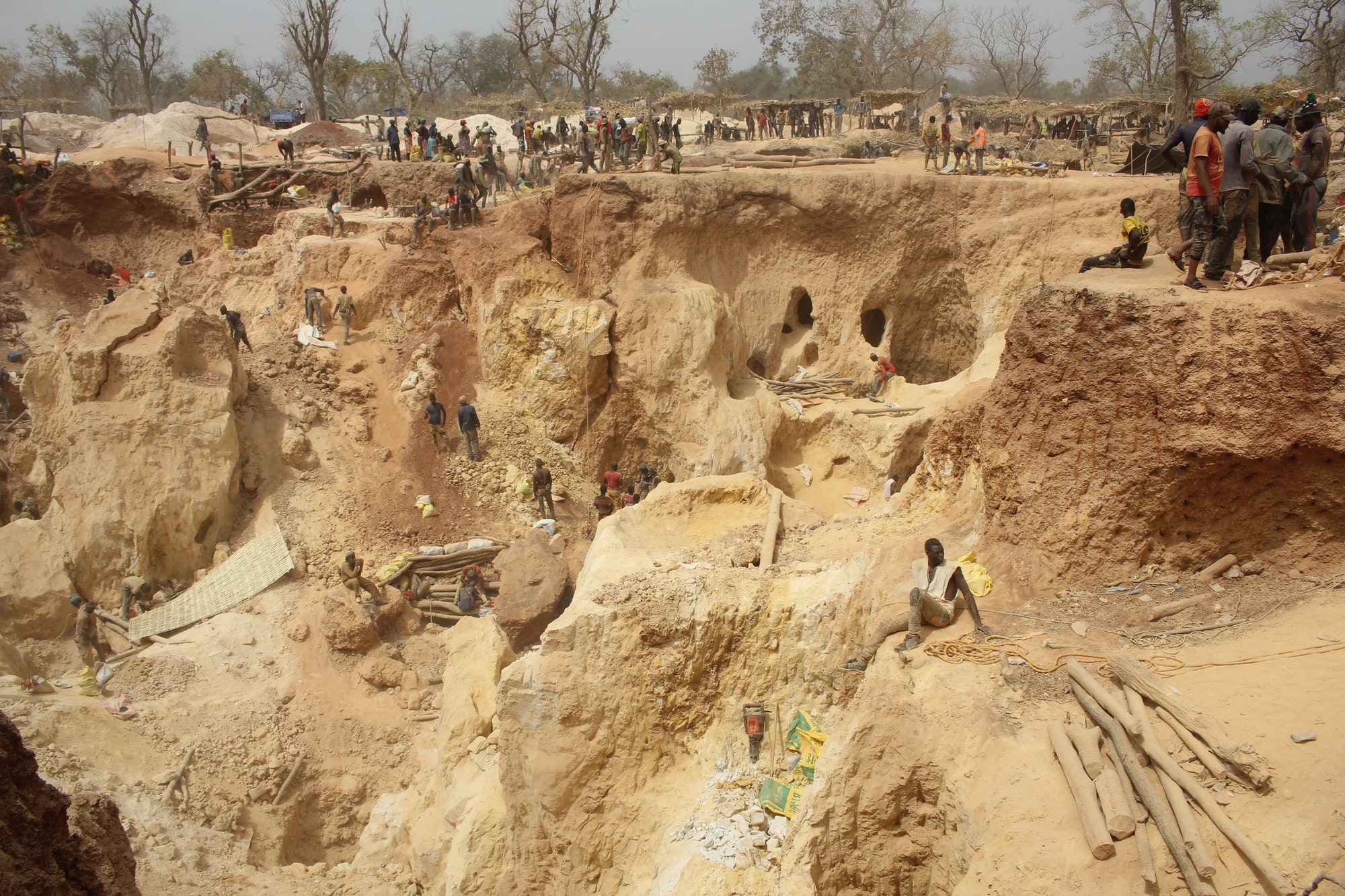
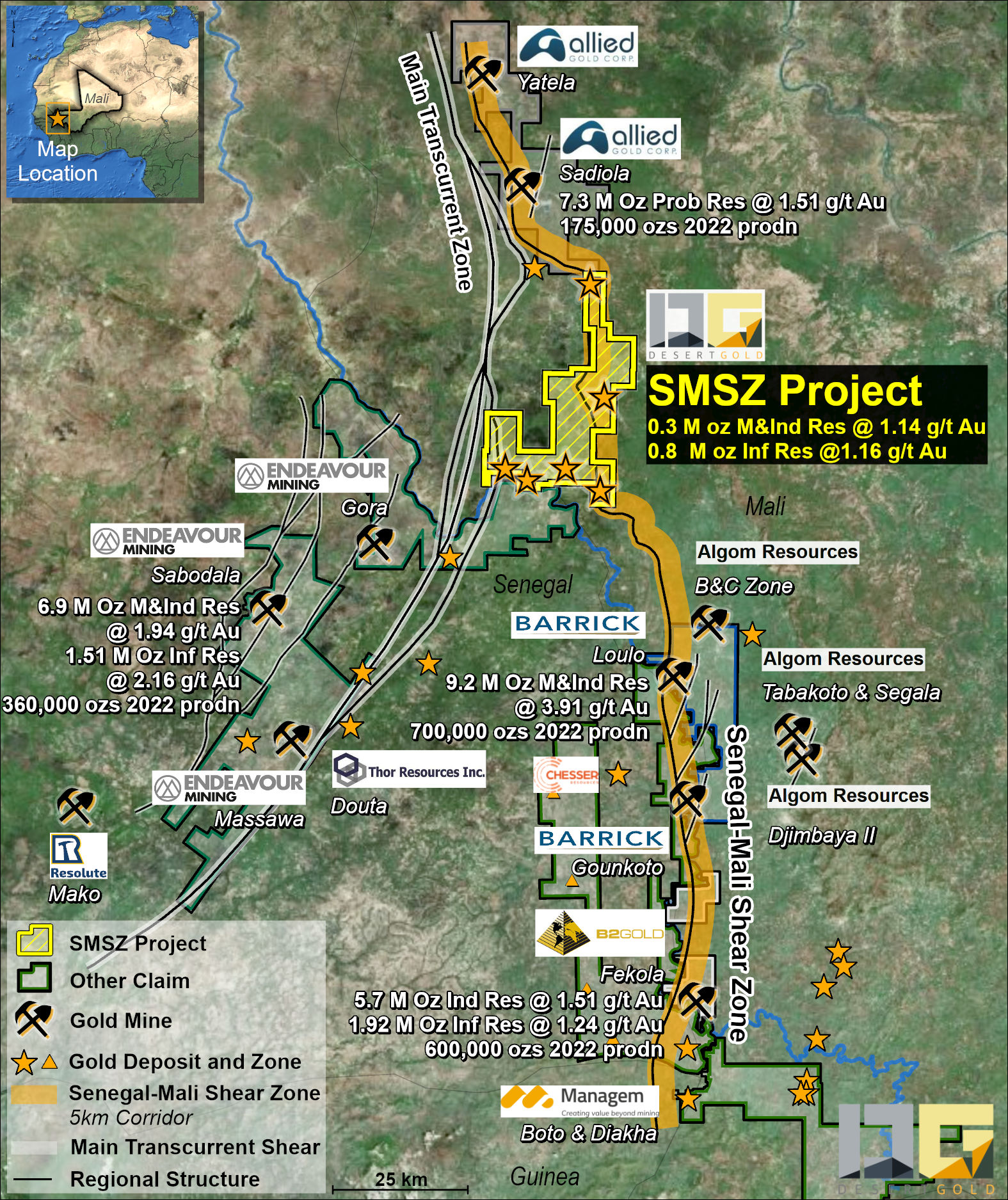
The Senegal oil industry is one of the key elements in the economy of the country. There is an oil refinery at Dakar and many of the major international oil companies have a presence in the country. Commercial gold mining are in its early stages of development in Senegal and started in 2009 with the first gold being poured at the Sabodala Mine. Since then a number of discoveries have been made including the multi million ounce Massawa gold deposit. The mining industry is regulated by the Ministry of Mines. Under Senegal’s mining code, general prospecting requires a simple authorisation by the Director of Mines. Exploration permits are granted for three years and can be renewed twice, with each renewal lasting not longer than three years. Agreements are negotiated between the parties to define the basic conditions of exploration and the key terms for exploitation. After minerals are discovered through exploration, the holder of the exploration permit has absolute priority when applying for an exploitation permit or a mining concession. Exploitation licences last five years and can be renewed every five years. The duration of a mining concession is 25 years and is renewable for 25 years. There has recently been an initiative to standardise the mining tax arrangements of a number of Francophone West African states. This means that Senegal will offer the same fiscal exploration package as Mali.